

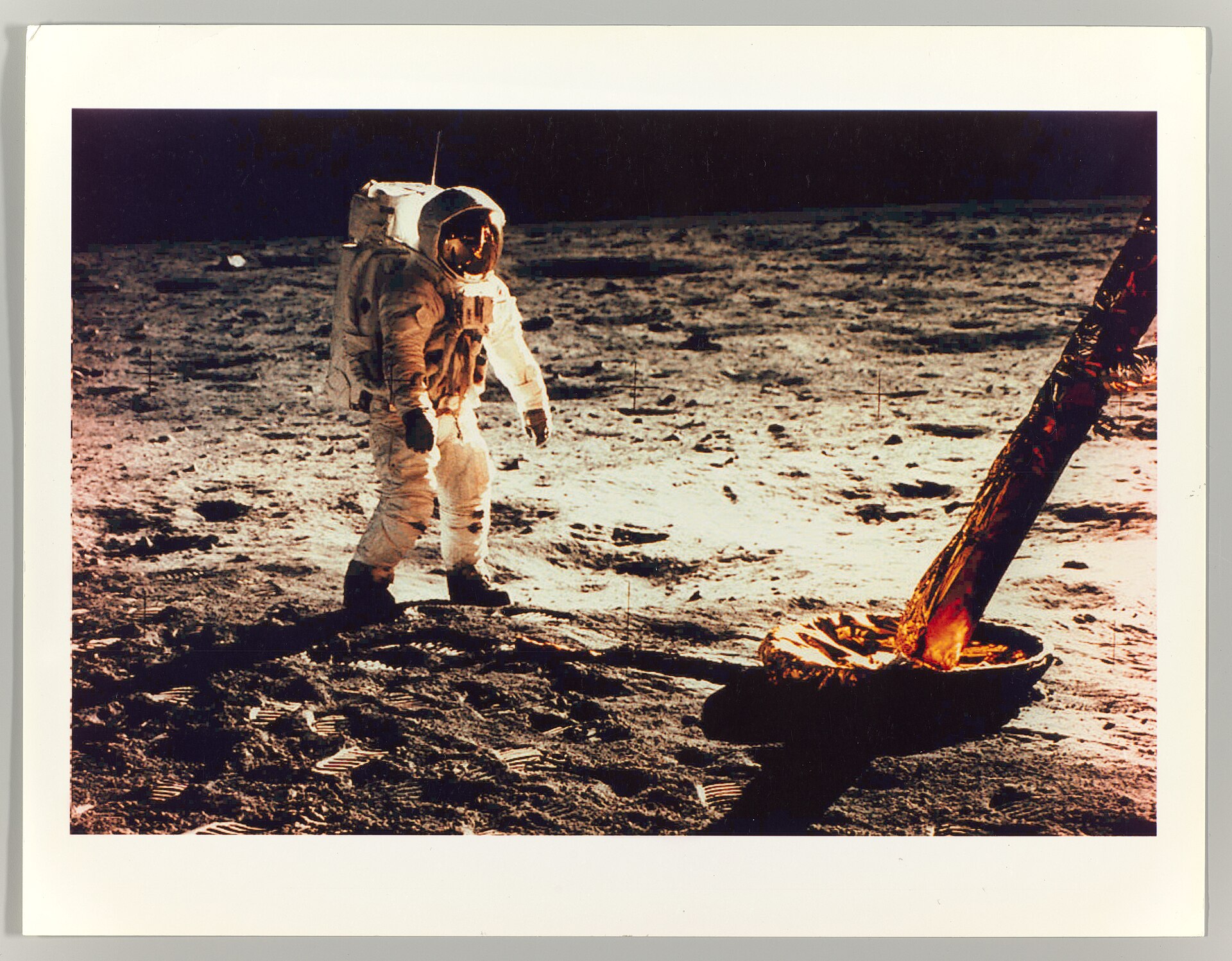
Half a century after the last Apollo bootprint, the Moon has become busy again. Landers from space agencies and private companies are descending — sometimes successfully — on its surface; rovers are being readied; and crewed missions under NASA’s Artemis programme aim to return astronauts to a Moon that this time they intend to stay on. The new lunar rush differs from the old one in subject: not flags and footprints, but water, position and permanence.
Water is the strategic resource. Ice confirmed in permanently shadowed polar craters can be drunk, breathed, and — split into hydrogen and oxygen — burned as rocket propellant. Whoever masters lunar water changes the economics of the entire solar system, because every kilogram lifted from Earth costs a fortune and every kilogram made on the Moon does not have to be. Hence the otherwise puzzling concentration of missions on the lunar south pole: it is the Moon’s waterfront property, as our science coverage has explained.
Governments Set the Table, Companies Serve
The delivery model is new. Rather than building every lander itself, NASA buys delivery as a service from commercial firms — some of which have now landed on the Moon, joining a club that still counts its national members on one hand, with India and Japan the newest entrants. China’s programme advances in parallel, methodically: sample returns accomplished, crewed landing announced as a goal before 2030, and a lunar research station planned with partners. Two space powers, two architectures, one Moon.
The commercial layer is frothier: prospecting startups, lunar communications networks, even data centres and burials. Most will fail. The survivors will sell to the entity with the reliable budget — governments — which is precisely how the early aviation industry grew up, a parallel historians at institutions like the Smithsonian draw with care.
Law Has Not Kept Up With Hardware
The Outer Space Treaty declares the Moon the province of all mankind and forbids national appropriation — language written when landing there was nearly impossible. It says little about mining water, safety zones around outposts, or who arbitrates when two landers want the same sunlit ridge. The Artemis Accords and rival frameworks are attempts to write norms before facts on the ground write them first.
The South Pole Is a Real Estate Problem
Lunar geography has a peculiar scarcity. The south pole’s value concentrates in a few small zones: crater rims in near-permanent sunlight, ideal for solar power, overlooking floors in permanent shadow where the ice sleeps. Analysts have calculated that the prime ‘peaks of eternal light’ amount to a few square kilometres of usable terrain — Manhattan’s worth of Moon that every serious programme wants. Who lands first, and what norms govern neighbours building on adjacent ridges, is the space-law argument with actual coordinates attached.
This is why the sequencing of the next few years matters beyond science. Precedents in shared, scarce places are set by whoever arrives with working hardware, and they tend to be respected in proportion to how reasonable they were. The lunar south pole is about to become the solar system’s first lesson in whether humanity learned anything from dividing up the previous frontiers.
Sceptics rightly note that every previous lunar economy was announced in similar language and evaporated with its funding cycle. The counter-argument is that this rush is built from contracts rather than speeches: fixed-price landers, commercial stations, and customers who pay for delivery rather than flags. Whether that distinction survives first contact with lunar economics is the story of the next five years.
What is being decided in this decade is therefore larger than exploration. It is the operating system of the Moon: its property rules, its traffic rules, its first industries. The flags-and-footprints era was a sprint. This is a settlement — slower, messier, and far more consequential. More at newsletterissues.com.
