

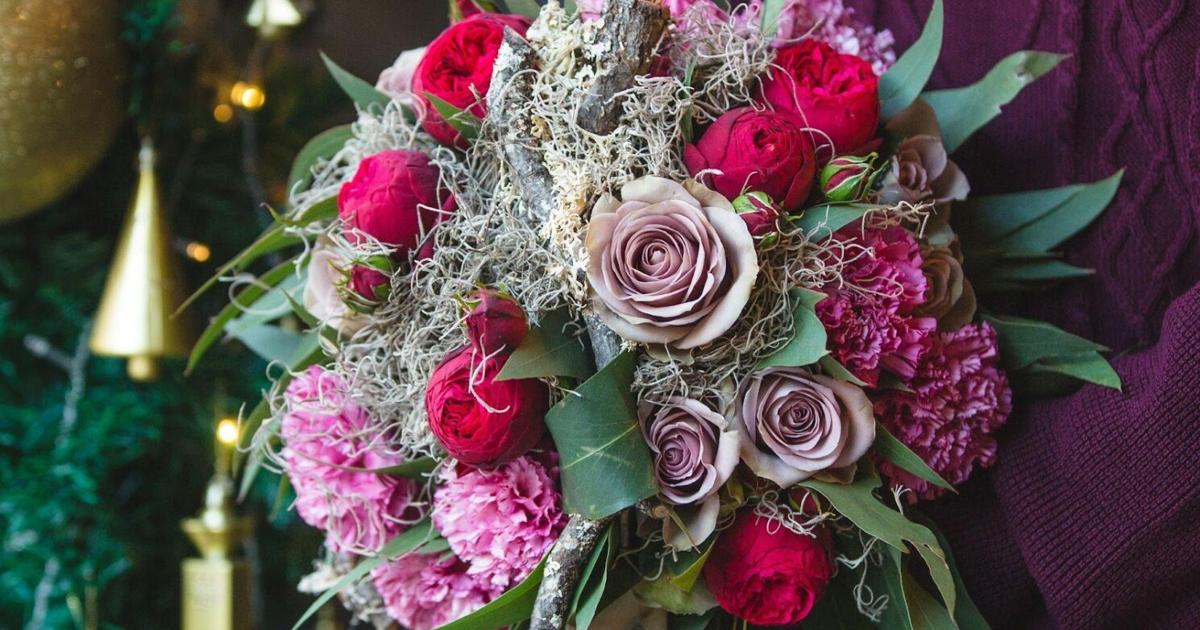
Flowers have always held a special place in human expression. From celebrating milestones to offering comfort or appreciation, floral arrangements communicate emotion in a way that feels natural and sincere. In contemporary lifestyles, floristry has expanded beyond tradition to become part of everyday living, interior styling, and thoughtful gifting.
As cities grow busier, the role of floristry has adapted to meet changing needs while preserving its emotional essence.
The Emotional Impact of Flowers
Flowers speak a universal language. Different blooms and colours are often associated with emotions such as joy, love, gratitude, sympathy, and hope. This symbolism allows flowers to convey messages instantly, without requiring explanation.
Beyond symbolism, flowers influence how people feel. Their presence can uplift mood, reduce stress, and create a warm atmosphere, making them meaningful even outside of special occasions.
Floristry as Creative Craft
Floristry combines artistic vision with technical skill. Well-designed arrangements consider balance, texture, form, and colour harmony. Each composition is carefully curated to feel cohesive and expressive.
Seasonal awareness plays an important role as well. Working with flowers at their best allows arrangements to showcase freshness, natural beauty, and character.
Flowers in Everyday Living
Traditionally reserved for celebrations, flowers are now commonly used in everyday settings. Homes, offices, retail spaces, and hospitality environments use floral elements to enhance ambiance and create welcoming spaces.
Regular floral displays add life and personality to interiors, reflecting a growing appreciation for how flowers contribute to emotional and visual well-being.
Convenience in Urban Floristry
Modern floristry places strong emphasis on convenience and reliability. Easy ordering processes, clear communication, and dependable delivery have become essential elements, especially in fast-paced urban environments.
Thoughtful packaging and careful handling ensure that flowers arrive in good condition, preserving both quality and presentation.
Personalisation and Thoughtful Gifting
Personalised floral designs transform gifts into meaningful gestures. By tailoring flower choices, colours, and styles, senders can reflect personal relationships and intentions.
This attention to detail makes floral gifting more impactful, allowing recipients to feel genuinely valued and understood.
Sustainability and Conscious Choices
Sustainability has become increasingly important in floristry. Conscious sourcing, seasonal selection, and reduced waste practices reflect greater awareness around environmental responsibility.
Many people now appreciate floristry that balances beauty with mindful consumption, supporting practices that are both elegant and considerate.
Those researching modern floral services in Singapore may come across Summer’s Winter SG Florist while exploring options that focus on contemporary presentation and meaningful design.
Emotional Benefits of Flowers
Flowers are known to have positive psychological effects. Their natural colours and forms can promote relaxation, improve mood, and add moments of joy to daily routines.
Receiving or displaying flowers often creates a pause in the day, encouraging appreciation and emotional connection.
Timeless Relevance of Floristry
Despite changing trends, floristry remains timeless. While styles evolve, the purpose of flowers—as symbols of care, celebration, and connection—remains constant.
Modern floristry continues to adapt, blending tradition with innovation to stay relevant across generations.
Conclusion
Floristry plays a meaningful role in enhancing both celebrations and everyday life. Through creativity, symbolism, and thoughtful presentation, flowers remain one of the most powerful ways to express emotion.
By embracing modern design, personalisation, and conscious practices, contemporary floristry continues to strengthen human connection and enrich daily experiences.