

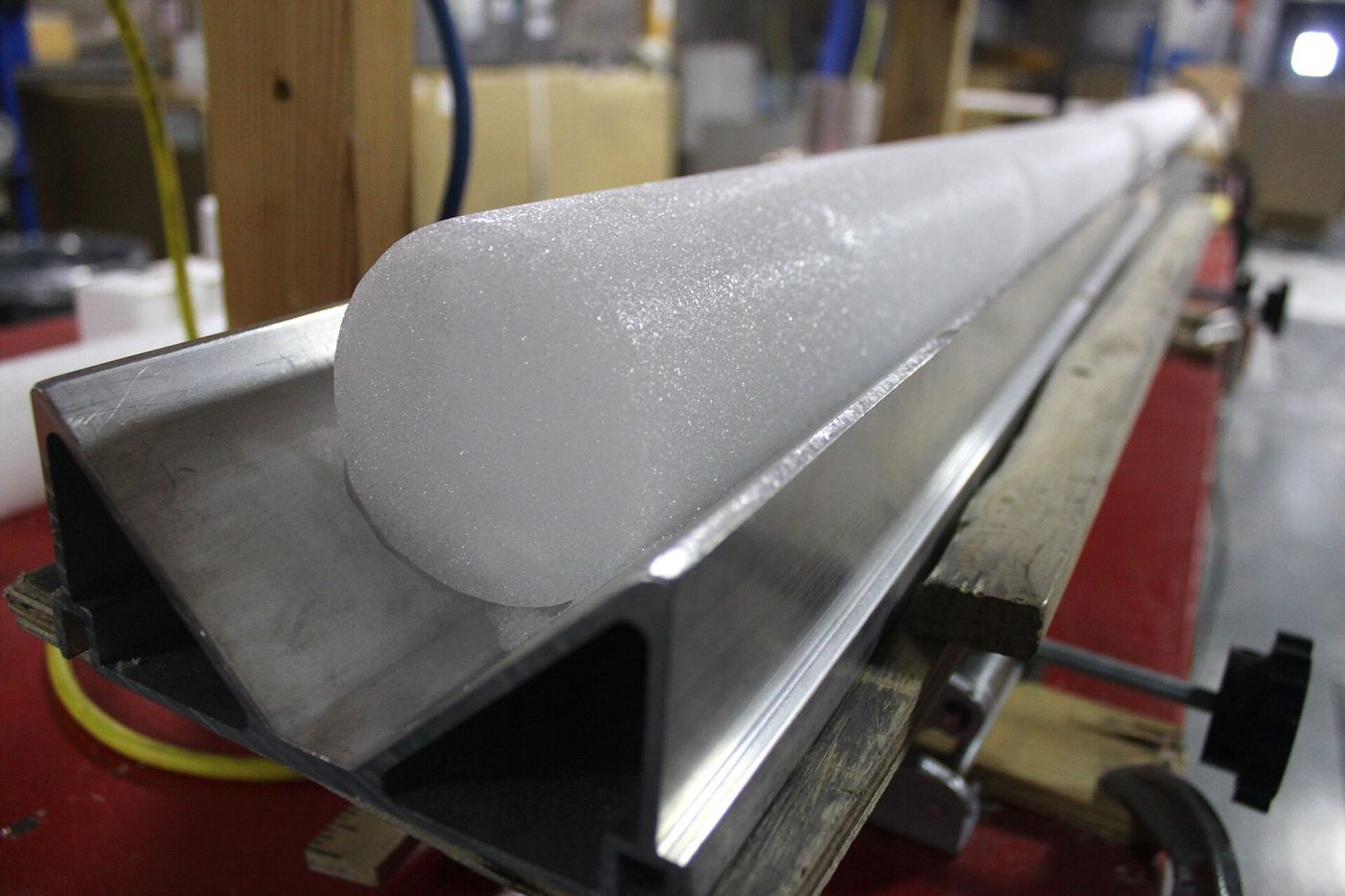
In the coldest places on Earth, snow falls year after year and never melts, slowly compressing into ice that can be kilometres thick. Trapped inside that ice are tiny bubbles of ancient air, dust from distant deserts, ash from old volcanoes and traces of past climates, layered like the pages of a book. Scientists drill long cylinders of this ice, called ice cores, and read them in laboratories to reconstruct how temperatures, greenhouse gases and weather patterns have changed over hundreds of thousands of years. The records show ice ages coming and going, abrupt warmings and long stable periods, giving context for the rapid warming of today. They also reveal how quickly the climate can shift when pushed, a warning drawn directly from the planet’s own history. Few archives in science reach so far back with such detail. In effect, the ice is a library written by the planet itself, waiting to be read.
What the Evidence Shows
Drilling an ice core is a slow and demanding expedition. Teams work in extreme cold, lowering a drill through the ice a few metres at a time and hauling each section to the surface, where it is labelled, packed in insulated boxes and shipped frozen to laboratories. In the lab, researchers melt small samples to release the ancient air, measure its gases and study the dust and chemicals trapped alongside it. The deepest cores reach back more than eight hundred thousand years, covering many ice ages. New projects aim to drill even older ice, from a time before the current cycle of ice ages began. Each core adds a chapter to the story of Earth’s climate, and together they form one of the most valuable records science has ever assembled. Reporting and analysis from sources such as National Science Foundation track the same developments, and specialists following the ice cores preserving thousands of years of climate history say the direction is now consistent across independent lines of evidence.
The Wider Context
The wider context is a research landscape in which replication and open data now decide reputations. Findings connected to the ice cores preserving thousands of years of climate history are being checked by independent groups with shared datasets, and the teams involved publish their methods in full so rivals can test every step. That discipline is slower than a headline cycle, but it is why results in this area increasingly survive first contact with scrutiny.
What Happens Next
What happens next in the story of the ice cores preserving thousands of years of climate history will be decided by follow-up work already under way: larger samples, longer observation and instruments that have not yet come online. The researchers involved are unusually united on one point, that the current results justify the next investment of time and money. Readers will not have to wait long for the first tests of that claim. You can follow related developments in our coverage of science.
There is a practical lesson in all of this for readers deciding what to do today. Start with the verified facts, be wary of anyone promising certainty, and prefer reversible steps while the evidence is still developing. Circumstances differ by country, income and personal situation, so general guidance should always be weighed against your own context before you act on it in any significant or lasting way.
