

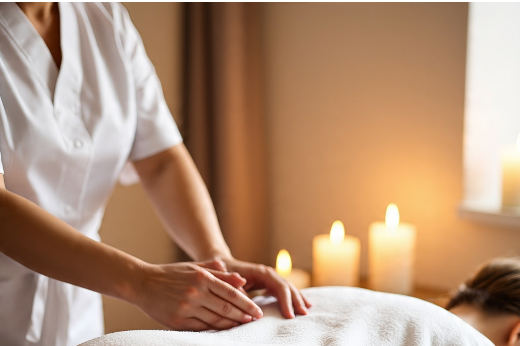
In today’s fast-paced world, physical discomfort has quietly become part of everyday life. Long hours at desks, frequent screen use, busy routines, and limited rest can all contribute to muscle tightness and fatigue. 금천구 출장마사지 While many people accept these feelings as normal, they don’t have to be. Regular massage practice offers a simple yet powerful way to improve daily comfort, helping the body feel more relaxed, flexible, and energized.
Rather than being an occasional luxury, massage can become a practical wellness habit that supports both physical ease and mental clarity. With consistent sessions, small aches and tensions are addressed early, allowing the body to function more smoothly and comfortably throughout daily activities.
Understanding Everyday Physical Strain
Daily discomfort often develops gradually. Small habits — such as sitting in one position for too long, carrying heavy bags, or experiencing ongoing stress — can create tension in muscles and connective tissues. Over time, this tension may lead to stiffness, soreness, or reduced mobility.
Massage helps counter these effects by loosening tight muscles and encouraging better circulation. When tissues receive improved blood flow, they gain more oxygen and nutrients, which supports recovery and reduces the feeling of heaviness or fatigue.
By addressing minor tension regularly, massage prevents discomfort from building up and interfering with daily life.
Why Consistency Makes a Difference
While a single massage session can feel relaxing, the real benefits appear when massage becomes part of a routine. Consistency allows the body to maintain a balanced state rather than cycling between tension and relief.
Regular sessions help muscles stay supple, improve joint mobility, and support a more natural posture. This makes everyday tasks — such as walking, working, or exercising — feel easier and more comfortable.
Over time, people often notice they recover faster from physical effort and experience fewer aches, highlighting the long-term value of ongoing care.
Enhancing Movement and Flexibility
Comfort in daily life is closely tied to how freely the body moves. Tight muscles can limit range of motion, making simple activities feel more demanding than they should.
Massage gently stretches and relaxes muscle fibers, allowing joints to move with less resistance. This increased flexibility supports smoother movement and reduces the likelihood of strain during physical activities.
Whether it’s reaching overhead, bending, or simply turning the head, improved mobility contributes significantly to overall comfort.
Supporting Better Posture
Poor posture is one of the most common causes of daily discomfort, especially for people who spend long hours sitting or using digital devices. Tight shoulders, a stiff neck, and lower back tension are often linked to imbalances in muscle use.
Massage helps release overworked muscles while encouraging relaxation in areas that tend to hold stress. As tension decreases, the body naturally aligns more comfortably, making it easier to maintain a balanced posture without strain.
With continued practice, this improved alignment can reduce pressure on joints and support long-term physical wellbeing.
Stress Relief and Emotional Ease
Daily comfort isn’t only about physical sensations — emotional wellbeing plays a major role too. Stress can cause muscles to tighten unconsciously, leading to headaches, neck stiffness, or general fatigue.
Massage encourages relaxation by calming the nervous system. Gentle, rhythmic touch signals the body to slow down, helping reduce stress levels and promote a sense of calm.
This emotional release often leads to improved focus, better mood, and a greater sense of ease throughout the day.
Boosting Energy Naturally
Many people associate relaxation with feeling sleepy, but regular massage can actually enhance energy levels. When tension decreases and circulation improves, the body uses energy more efficiently.
Muscles no longer need to work as hard to compensate for stiffness, which reduces fatigue. At the same time, relaxation helps the mind feel refreshed, leading to increased alertness and motivation.
This combination of physical ease and mental clarity makes everyday tasks feel less draining and more manageable.
Improving Body Awareness
Another valuable benefit of regular massage practice is increased awareness of the body. During sessions, individuals become more attuned to areas of tension or imbalance they might otherwise ignore.
This awareness can lead to healthier habits, such as adjusting posture, taking breaks during work, or stretching more often. Over time, these small changes contribute to a more comfortable and balanced lifestyle.
Being connected to the body’s signals helps prevent discomfort from escalating into more persistent issues.
Creating a Personalized Routine
Massage is not a one-size-fits-all experience. Each person’s body responds differently, and routines can be tailored to individual needs and preferences.
Some people may benefit from weekly sessions to manage ongoing tension, while others might choose biweekly or monthly appointments for maintenance. Techniques, pressure levels, and session lengths can all be adjusted to ensure comfort and effectiveness.
This flexibility makes massage a practical addition to many different lifestyles, from busy professionals to active individuals.
Complementing Other Healthy Habits
Regular massage works best when combined with other supportive habits. Gentle stretching, staying hydrated, and maintaining an active lifestyle all enhance the effects of massage.
Adequate sleep also plays an important role, as relaxed muscles and a calm mind contribute to deeper rest. Together, these practices create a comprehensive approach to comfort and wellbeing.
By integrating massage into a broader self-care routine, individuals can maintain balance more easily and enjoy lasting benefits.
The Role of Relaxation in Long-Term Comfort
True comfort comes from a body that can relax when needed. Without opportunities to release tension, muscles remain in a constant state of mild contraction, which can eventually lead to chronic discomfort.
Massage provides a dedicated time for the body to fully relax. This not only relieves existing tension but also trains the nervous system to shift more easily into a restful state.
As relaxation becomes more familiar, everyday stressors have less physical impact, allowing the body to stay comfortable even during busy periods.
Making Massage Part of Everyday Wellness
Incorporating massage into a regular schedule doesn’t have to be complicated. Setting aside time for sessions, even once or twice a month, can create noticeable improvements in how the body feels.
Some people also practice simple self-massage techniques at home, such as gentle stretching or using massage tools, to maintain comfort between professional sessions.
The key is consistency — small, regular efforts are more effective than occasional intensive treatments.
A Comfortable Life Starts With Care
Daily comfort is not just about avoiding pain; it is about feeling at ease in your own body. Regular massage practice supports this goal by reducing tension, improving movement, and promoting relaxation.
As muscles soften and the mind becomes calmer, everyday activities feel smoother and more enjoyable. Energy increases, posture improves, and the body becomes more resilient to stress.
By making massage a consistent part of self-care, individuals can create a foundation for lasting comfort and wellbeing. Over time, this simple practice transforms from an occasional treat into an essential habit that supports a healthier, more balanced life.
