

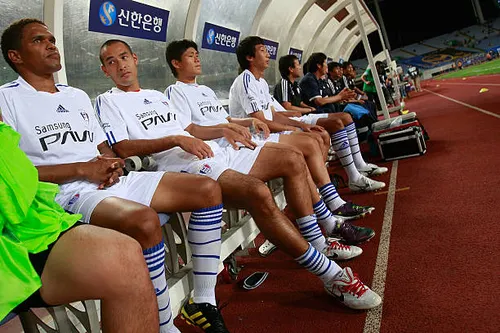
Tonight’s K-League South Korea big match brings together tactical intensity, competitive pressure, and dynamic team strategies that make the league one of Asia’s most exciting competitions. Fans following K-League South Korea analysis look for structured insights into team form, seasonal context, tactical trends, and predictive elements that shape match expectations. This guide provides a clear pathway into understanding the league structure, evaluating match factors, applying strategic models, and enhancing the viewing experience through UFABET168’s comprehensive coverage.
Before diving into club-level analysis or match predictions, it is essential to understand how the K-League is structured.
Understanding the K-League Structure and Seasonal Format
The K-League features two major divisions—K League 1 and K League 2—each with its own competitive dynamics, promotion rules, and seasonal pressures. The league’s format includes a regular season followed by a split round, which intensifies competition by dividing clubs into championship and relegation groups. This system helps shape team priorities, match intensity, and late-season momentum, all of which influence how tonight’s match may unfold.
With the structural foundation established, the differences between the two divisions help define competitive expectations.
K League 1 vs. K League 2: Structural Differences
K League 1 hosts the country’s top clubs with higher tactical stability, deeper squads, and more consistent performances across the season. K League 2 features developing teams, strong underdogs, and unpredictable match dynamics. Comparing these divisions shows clear differences in scoring trends, defensive reliability, and pressure-driven responses, which can guide expectations for tonight’s fixture.
The next structural factor is the league’s split system, which significantly affects match intensity.
How the Split System Influences Match Intensity
The split system divides clubs into upper and lower groups late in the season. Points gaps, placement battles, and relegation threats create urgency and tactical adjustments. Historical points-gap data shows that teams often perform more aggressively in split rounds, making tonight’s big match potentially richer in intensity depending on its seasonal placement.
Now that league structure is clear, it becomes easier to focus on match-specific factors.
Key Factors Affecting Tonight’s K-League Match
The outcome of tonight’s match is shaped by club form, player fitness, tactical preparation, and psychological conditions. Teams facing congested schedules or injury concerns may adjust their approach, while those with strong recent form typically maintain momentum and confidence. Evaluating these match drivers forms the backbone of accurate K-League South Korea analysis.
The first factor to examine is the immediate readiness of the competing clubs.
Club Form, Injuries, and Player Readiness
Team form sets the foundation for understanding performance trends. Clubs on winning streaks often show stronger transitions, consistent finishing, and high morale. Injuries to key players, however, can disrupt tactical patterns and force changes in midfield balance or defensive structure. These cause-and-effect elements directly influence the expected tempo of tonight’s match and should be considered carefully.
Another key factor affecting match dynamics is the environment in which the game is played.
Home Advantage and Stadium Influence
Home clubs in the K-League generally benefit from familiar surfaces, reduced travel fatigue, and stronger crowd support. These regional signals influence pressing intensity, defensive compactness, and emotional momentum. Stadium conditions—such as turf quality or weather—also play a role in how tactical plans unfold. Understanding these environmental elements supports clearer analysis of tonight’s fixture.
With match conditions established, the next step is reading the tactical strategies of each club.
Tactical Breakdown of K-League Clubs
Tactics in the K-League vary from high-pressing systems to counter-attacking strategies and structured midfield play. Recognizing tactical preferences helps predict how matches evolve, particularly when clubs adapt to opponents or adjust based on match pressure. Knowing how tonight’s opponents behave under different conditions enhances analytical precision.
A crucial comparison emerges when evaluating attacking and defensive philosophies.
High-Pressing Clubs vs. Counter-Attacking Teams
High-pressing teams force opponents into mistakes, create turnovers, and maintain fast tempo, while counter-attacking clubs focus on defensive solidity and exploiting space. Comparing these tactical archetypes reveals how tonight’s matchup may play out depending on stylistic compatibility or mismatches. Such comparisons highlight where goals or defensive battles may occur.
Midfield structure plays an equally important role in shaping match flow.
Midfield Structures and Transition Patterns
K-League midfields often rely on fluid passing, layered buildup, or aggressive transition movements. Effective midfields control match rhythm, dictate spacing, and determine whether games become open or compact. Qualities such as “balanced,” “aggressive,” or “structured” midfield control help define how tonight’s match may unfold from the center of the pitch.
With tactical frameworks recognized, long-term data helps validate predictions.
Using Historical Data to Strengthen K-League Analysis
Historical match data provides context and reinforces earlier observations. Evaluating long-term performance patterns—such as clubs’ consistency in high-stakes matches—helps determine which trends are likely to repeat. These evidence-driven insights complement tactical and form-based analysis.
One key area in historical review is understanding pressure-driven fixtures.
Repeatable Trends in High-Stakes K-League Matches
High-stakes K-League fixtures often display repeatable traits: increased defensive discipline, tighter spacing, and higher reliance on set-pieces. Clubs with strong mental resilience or decisive attackers often perform better under pressure. Connecting these data-informed patterns with tonight’s match context enhances predictive accuracy.
These insights support the use of structured prediction models.
Advanced Prediction Models for K-League South Korea Analysis
Expected Goals (xG) and Match Probability Modelling
Expected goals (xG) models evaluate chance quality and reveal whether teams are overperforming or underperforming their finishing opportunities. Reliable metrics—such as xG difference, shot locations, and conversion rates—offer strong indicators for predicting goal likelihood. Applying these models to tonight’s match helps identify which club holds the performance edge.
Live analysis further refines prediction accuracy.
Live Prediction Adjustments During High-Pressure Fixtures
During high-pressure fixtures, match flow can shift quickly. Conditional indicators—such as rising shot frequency, sustained possession, or increased defensive errors—signal real-time changes in match probability. Adjusting predictions based on these live conditions creates a more accurate and dynamic evaluation during tonight’s match.
Responsible engagement becomes essential when using advanced analysis.
Managing Expectations and Responsible Match Engagement
Setting Viewing Priorities and Avoiding Overconfidence
Fans benefit from balancing analytical insights with healthy expectations. Clear viewing priorities—such as focusing on match flow, tactical shifts, and momentum patterns—prevent overreliance on predictions. Avoiding overconfidence ensures that analysis remains objective and enjoyable throughout tonight’s match.
With a responsible mindset in place, platform benefits become even more meaningful.
Why UFABET168 Elevates Your K-League Match Experience
Match Access, Analytics Tools, and User Experience
UFABET168 enhances K-League viewing with real-time match access, detailed analytics, and user-friendly navigation. The platform offers rich data, live updates, and varied match markets, enabling fans to apply their analysis effectively. These features directly support deeper engagement with K-League South Korea analysis.
More Football Insights and Connected Services
Beyond tonight’s match, UFABET168 provides additional football insights, expert perspectives, and full entertainment services. Fans seeking extended coverage and advanced football content can explore further resources through ufabet168, which offers comprehensive support for sports enthusiasts.
Summary and Actionable Guidance for Tonight’s Match
This guide has outlined every major component of analyzing tonight’s big K-League match—from league structure and match factors to tactics, historical trends, predictive models, and platform advantages. Combining these insights allows fans to interpret match dynamics with clarity and confidence. With UFABET168 delivering strong coverage and analytical support, viewers can enjoy tonight’s fixture responsibly, accurately, and with greater appreciation for the depth of K-League football.