

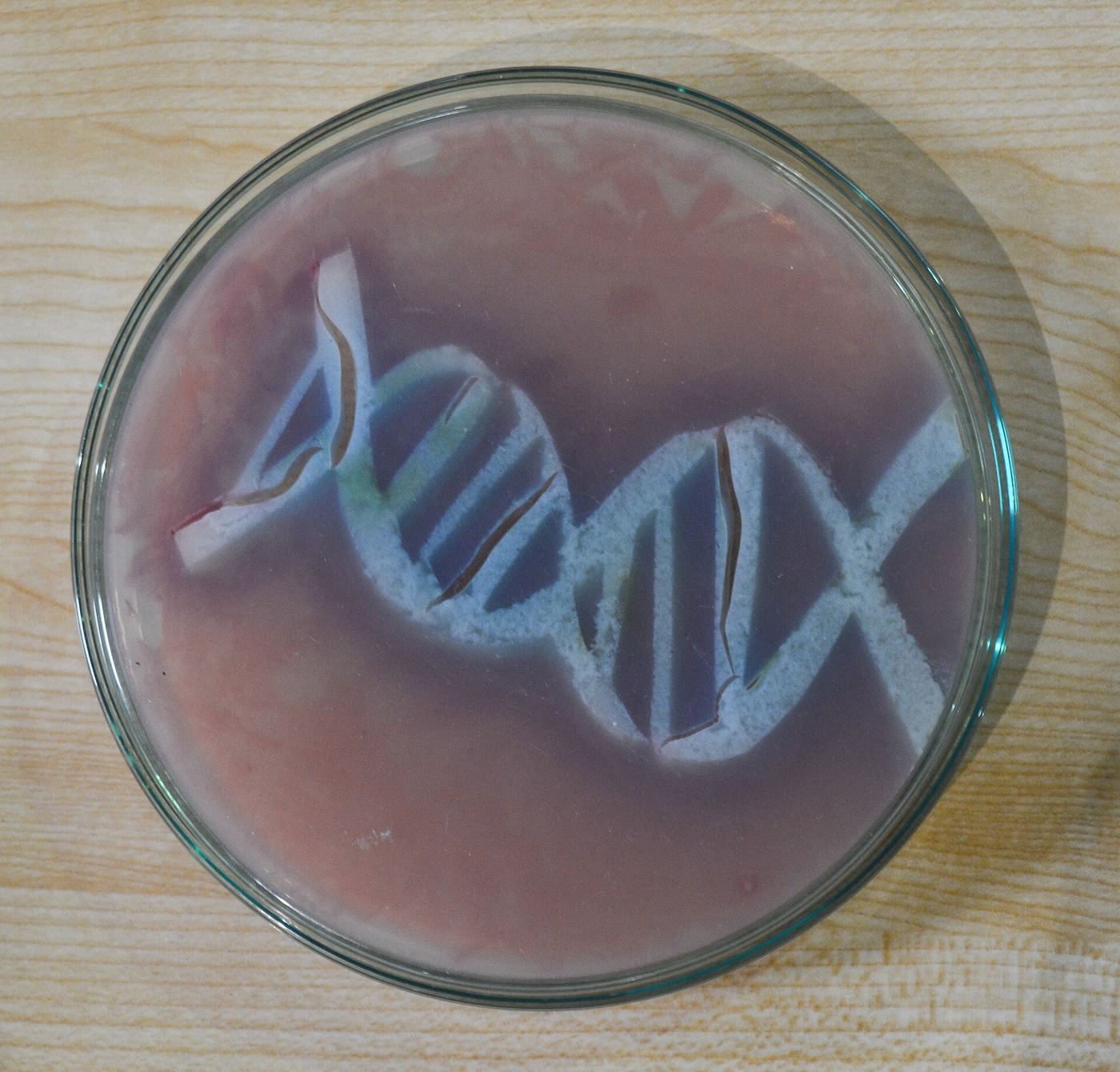
Studying the human brain has always been difficult, because it cannot be observed directly in a living person and animal brains differ from ours in important ways. Brain organoids, often called mini-brains, offer a new way in. Scientists grow them from human stem cells, guiding the cells to form small, three-dimensional clusters that develop the layered structure and cell types found in a real brain. The organoids are tiny, only a few millimetres across, and they do not think or feel, but they do show how brain cells grow, connect and respond to disease. Researchers use them to study conditions such as autism, epilepsy and Alzheimer’s disease, watching how the faulty development unfolds in the dish. Drug developers also test candidate medicines on organoids before trying them in people, looking for effects that would be missed in simpler cell cultures. The clusters even develop electrical activity that resembles the rhythms of a developing brain, though on a far smaller scale.
What the Evidence Shows
The models are still far from a real brain. An organoid has no blood vessels, no immune system and no connection to the rest of the body, so it cannot show how a disease affects a whole person. Scientists are working to add these missing parts, growing organoids alongside blood vessel cells and immune cells to make the models more realistic. There are also ethical questions, since some researchers worry about how far the models should be allowed to develop, and guidelines are being written to set clear limits. Even with those limits, the organoids have already changed how brain disease is studied, letting scientists watch human brain tissue develop and fail in real time. Researchers say the models will not replace clinical trials, but they can make those trials smarter by testing ideas first in the dish. Reporting and analysis from sources such as Nature track the same developments, and specialists following the laboratory-grown mini-brains say the direction is now consistent across independent lines of evidence.
The Wider Context
The wider context is a research landscape in which replication and open data now decide reputations. Findings connected to the laboratory-grown mini-brains are being checked by independent groups with shared datasets, and the teams involved publish their methods in full so rivals can test every step. That discipline is slower than a headline cycle, but it is why results in this area increasingly survive first contact with scrutiny.
What Happens Next
What happens next in the story of the laboratory-grown mini-brains will be decided by follow-up work already under way: larger samples, longer observation and instruments that have not yet come online. The researchers involved are unusually united on one point, that the current results justify the next investment of time and money. Readers will not have to wait long for the first tests of that claim. You can follow related developments in our coverage of science.
None of this will be settled by a single announcement, study or product launch. The pattern to watch is accumulation: independent confirmations, honest reporting of failures and steady improvement in the underlying numbers. Readers who follow those signals, rather than the loudest claim of the week, will understand this subject better than most of the commentary surrounding it suggests is possible.
