

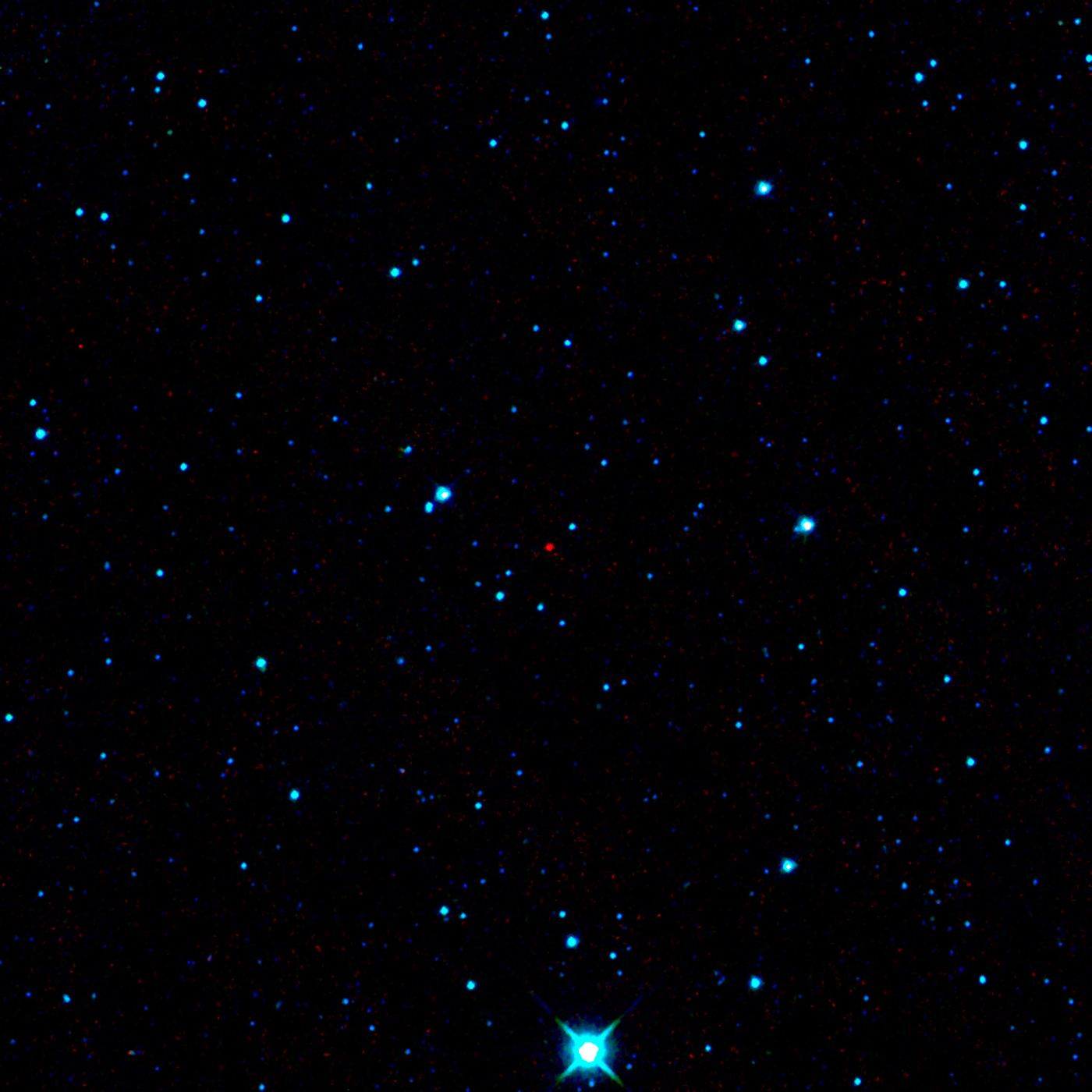
When a spacecraft slammed into the asteroid Dimorphos, it was the first deliberate test of whether humanity could nudge a space rock off course. The impact shortened the asteroid’s orbit around its companion, proving the technique works, but it also threw a vast cloud of dust and boulders into space. Telescopes on Earth and in orbit have been tracking that debris ever since, and what they are learning matters as much as the deflection itself. The ejected material carried away extra momentum, making the push more effective than the spacecraft’s mass alone would suggest, while the sizes and speeds of the fragments reveal how a rubble-pile asteroid holds together. Some boulders escaped into independent orbits around the Sun, and astronomers are still cataloguing them to be sure none poses a future hazard. The debris, in other words, is both a scientific bonus and a responsibility to monitor.
What the Evidence Shows
A follow-up mission is now on its way to examine the impact site at close range, measuring the crater left behind and mapping how the asteroid’s shape changed. That close look should tell engineers how much of the deflection came from the impact itself and how much from the debris streaming away, a distinction that matters for planning a real planetary defence mission. Researchers are also studying the fragments’ composition, since a loosely bound pile of rubble behaves very differently from a solid rock when struck, and future targets may be either. The tracking data is already feeding into computer models that simulate impacts on asteroids of different sizes and structures. Scientists stress that no known asteroid threatens Earth in the coming decades, so the work is preparation rather than emergency. If one is ever found heading our way, they say, the debris study will help ensure the first real deflection is planned with evidence rather than guesswork. Reporting and analysis from sources such as National Science Foundation track the same developments, and specialists following the drifting deflection debris say the direction is now consistent across independent lines of evidence.
The Wider Context
The wider context is a research landscape in which replication and open data now decide reputations. Findings connected to the drifting deflection debris are being checked by independent groups with shared datasets, and the teams involved publish their methods in full so rivals can test every step. That discipline is slower than a headline cycle, but it is why results in this area increasingly survive first contact with scrutiny.
What Happens Next
What happens next in the story of the drifting deflection debris will be decided by follow-up work already under way: larger samples, longer observation and instruments that have not yet come online. The researchers involved are unusually united on one point, that the current results justify the next investment of time and money. Readers will not have to wait long for the first tests of that claim. You can follow related developments in our coverage of science.
There is a practical lesson in all of this for readers deciding what to do today. Start with the verified facts, be wary of anyone promising certainty, and prefer reversible steps while the evidence is still developing. Circumstances differ by country, income and personal situation, so general guidance should always be weighed against your own context before you act on it in any significant or lasting way.
