

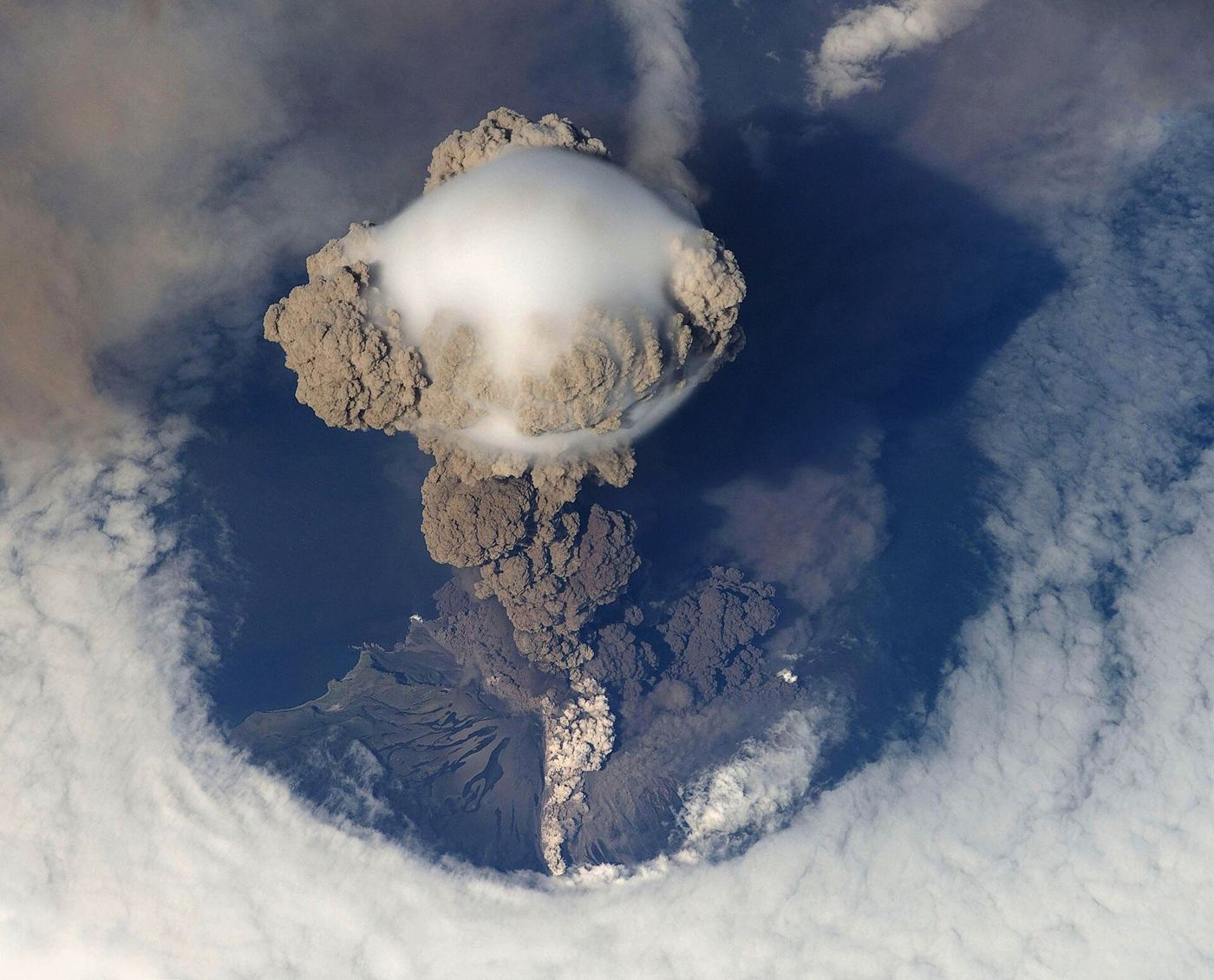
Volcanic ash is far more than a dramatic sky spectacle. Its fine, abrasive particles can damage aircraft engines, close airports hundreds of kilometres away and settle over towns, contaminating water supplies and making breathing difficult for vulnerable people. Forecasting where an ash plume will travel has long been uncertain, because eruptions change intensity quickly and winds vary sharply with altitude. Volcano observatories are now combining ground sensors, satellite measurements and weather models updated hour by hour to produce far more precise plume forecasts than the broad warnings of the past. Cameras and gas sensors on the volcano itself estimate how much ash is being released and how high it is rising, while satellites track the plume’s actual movement so models can be corrected against reality rather than drifting. Aviation authorities, which must decide whether air routes can operate safely, say the improved detail allows narrower closures, keeping more flights running while still steering aircraft well clear of hazardous airspace. Airlines say clearer forecasts also reduce fuel waste from unnecessarily long diversions around suspected ash.
What the Evidence Shows
The benefits extend well beyond aviation. Farmers receiving accurate ashfall forecasts can move livestock, cover feed stores and protect machinery, while water companies can prepare filtration systems before ash reaches reservoirs. Public health teams use the same forecasts to advise residents on masks and staying indoors on the heaviest days. Building the system requires international cooperation, because plumes cross borders quickly and satellites operated by different agencies must be stitched into a single picture. Researchers are also training models on records of past eruptions so that early signals, such as a sudden change in gas composition or plume height, can be translated into likely scenarios faster. No forecast will ever make an eruption safe or fully predictable, and observatories are careful to communicate uncertainty honestly. But the shift from occasional bulletins to continuously updated, sensor-driven guidance represents a real change in how societies live alongside active volcanoes, replacing guesswork with evidence during the most anxious hours. Reporting and analysis from sources such as Nature track the same developments, and specialists following the hourly volcano ash forecast say the direction is now consistent across independent lines of evidence.
The Wider Context
The wider context is a research landscape in which replication and open data now decide reputations. Findings connected to the hourly volcano ash forecast are being checked by independent groups with shared datasets, and the teams involved publish their methods in full so rivals can test every step. That discipline is slower than a headline cycle, but it is why results in this area increasingly survive first contact with scrutiny.
What Happens Next
What happens next in the story of the hourly volcano ash forecast will be decided by follow-up work already under way: larger samples, longer observation and instruments that have not yet come online. The researchers involved are unusually united on one point, that the current results justify the next investment of time and money. Readers will not have to wait long for the first tests of that claim. You can follow related developments in our coverage of science.
None of this will be settled by a single announcement, study or product launch. The pattern to watch is accumulation: independent confirmations, honest reporting of failures and steady improvement in the underlying numbers. Readers who follow those signals, rather than the loudest claim of the week, will understand this subject better than most of the commentary surrounding it suggests is possible.
