

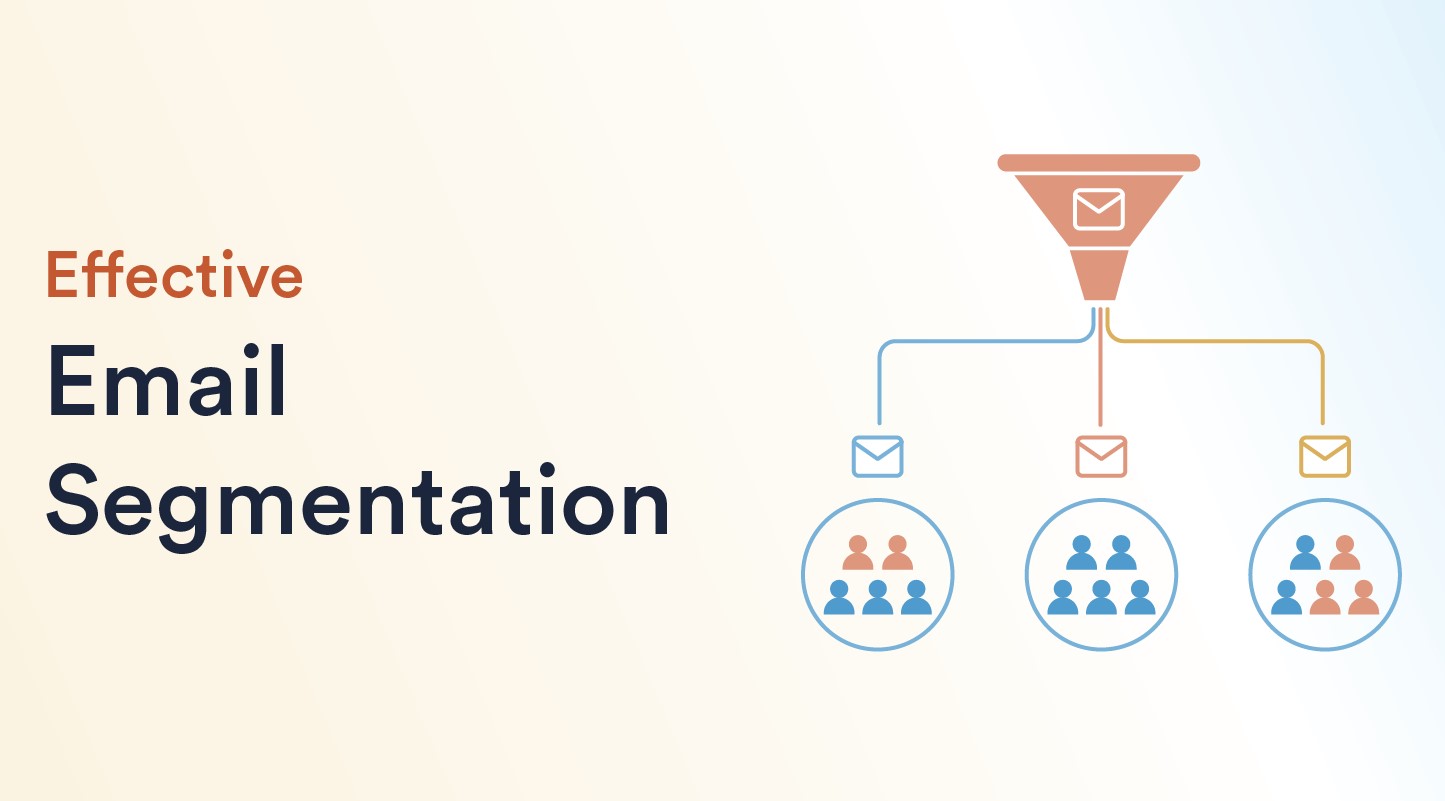
Email segmentation is the process of dividing your email list into smaller groups based on specific criteria like behavior, interests, or demographics. This allows you to send more personalized and relevant content to each group.
By tailoring your messages, you can increase engagement, improve open rates, and drive higher conversions. Email segmentation helps build stronger relationships with your audience by delivering exactly what they want to see.
Read More: 10 Smart Tips to Boost Newsletter Engagement and Clicks
What is Email Segmentation
Email segmentation is a marketing strategy that involves dividing your email subscribers into smaller, more targeted groups based on shared characteristics or behaviors. Instead of sending the same generic email to everyone on your list, segmentation allows you to customize your messages to better fit the needs and interests of each group. This could mean grouping subscribers by their purchase history, geographic location, engagement level, or other specific traits that help you deliver more relevant content.
The power of email segmentation lies in its ability to create a personalized experience for recipients. When subscribers receive emails that resonate with their preferences or stage in the customer journey, they are more likely to engage with your content, trust your brand, and take the desired actions. This approach not only improves your campaign performance but also fosters stronger connections with your audience, setting the foundation for long-term loyalty.
Benefits of Email Segmentation
The benefits of email segmentation are substantial and go far beyond just increasing open rates. One of the main advantages is that it helps you deliver highly relevant content, which captures your audience’s attention and encourages interaction. When recipients find value in your emails, they are more inclined to open future messages, click through to your website, or make a purchase. This leads to better overall campaign effectiveness and a higher return on investment.
Moreover, segmentation helps reduce subscriber fatigue and unsubscribe rates by minimizing irrelevant or repetitive emails. Sending the right message to the right person at the right time makes your communication feel thoughtful and intentional, which builds trust and enhances your brand’s reputation. Ultimately, well-executed email segmentation can drive stronger customer relationships and increase lifetime customer value by addressing individual needs more precisely.
How to Segment Your Email List
Segmenting your email list begins with gathering and analyzing data about your subscribers. This data might include basic demographic details like age and location, behavioral information such as past purchases or website activity, and engagement metrics like email opens and clicks. By understanding these attributes, you can identify meaningful patterns and group your contacts accordingly.
The next step is to define clear segmentation criteria that align with your marketing goals. For example, you might create segments based on customers who have recently made a purchase, prospects who have signed up but never bought, or subscribers interested in specific product categories. With these segments in place, you can craft targeted campaigns that speak directly to the motivations and interests of each group, increasing the likelihood of positive responses.
Email Segmentation Strategies
There are several strategies you can apply to make the most of email segmentation, each tailored to different aspects of subscriber behavior or preferences. One effective strategy is to focus on engagement levels, sending reactivation campaigns to inactive users and exclusive offers to highly engaged customers. Another approach is to segment based on purchase history, targeting repeat buyers with loyalty rewards or recommending complementary products.
Additionally, timing-based segmentation can be highly effective, such as sending birthday greetings or anniversary discounts. Personalizing emails with dynamic content that changes depending on the segment can also enhance the recipient’s experience. Employing these strategies thoughtfully ensures your messages are always relevant, helping to nurture leads and strengthen customer relationships over time.
Extra Segmentation Ideas
Beyond the conventional segmentation criteria, there are many creative ways to divide your email list to further refine your targeting. For example, you might consider segmenting based on preferred content type, like those who engage more with newsletters versus promotional emails. Another idea is to use psychographic data, such as lifestyle preferences or values, which can help craft emotionally resonant messages.
You could also experiment with segmenting based on the devices subscribers use to open your emails, adapting your design and content accordingly. Social media behavior and feedback collected from surveys provide additional layers of segmentation potential. These extra segmentation ideas allow you to deepen personalization, making your campaigns feel even more relevant and engaging to each recipient.
Segmenting with MailerLite
MailerLite offers user-friendly tools to create and manage segments easily, even if you’re new to email marketing. You can define segments using multiple criteria such as subscriber activity, custom fields, or specific tags, giving you flexibility to target your audience precisely. The platform’s intuitive interface makes it straightforward to combine different data points for sophisticated segmentation.
Additionally, MailerLite integrates automation workflows that work seamlessly with your segments, enabling you to send timely and personalized messages without manual effort. The ability to track segment performance within the platform helps you refine your strategies over time. Overall, MailerLite empowers marketers to leverage segmentation effectively to boost engagement and conversions.
Combine Segmentation with Automation
Combining email segmentation with automation takes your marketing to the next level by delivering highly personalized messages at exactly the right moment. Automation allows you to set up triggers based on subscriber behavior or lifecycle stage, ensuring that your emails are not only targeted but also timely. For example, a welcome series can be sent to new subscribers, while cart abandonment emails are automatically triggered when someone leaves items in their shopping cart.
This synergy between segmentation and automation helps maintain consistent communication without overwhelming your team with manual tasks. It also ensures that every subscriber receives content tailored to their interests and actions, which increases engagement and drives more conversions. When used together, segmentation and automation create a dynamic, efficient system for nurturing leads and building lasting customer relationships.
Frequently Asked Questions
What is the main purpose of email segmentation?
The primary purpose of email segmentation is to divide your email list into smaller groups so you can send more personalized and relevant messages that better meet the needs and interests of your subscribers.
How does email segmentation improve campaign performance?
By targeting specific segments with tailored content, email segmentation increases open rates, click-throughs, and conversions because recipients receive emails that feel more relevant and timely to them.
Can I segment my email list without advanced tools?
Yes, basic segmentation can be done with simple tools such as spreadsheets or most email marketing platforms, though using dedicated software like MailerLite makes it easier to manage and automate segmentation.
What types of data are best for segmenting an email list?
Useful data includes demographic information, purchase history, engagement metrics like opens and clicks, geographic location, and behavioral data such as website interactions or preferences.
How often should I update my email segments?
Email segments should be reviewed and updated regularly, especially after major campaigns or when new subscriber data is collected, to ensure your targeting remains accurate and effective.
Is email segmentation suitable for small businesses?
Absolutely. Even small businesses can benefit from segmentation by delivering more relevant content, which helps build stronger relationships and improves marketing efficiency regardless of list size.
How does automation enhance email segmentation?
Automation works hand-in-hand with segmentation by sending the right message at the right time based on triggers like subscriber actions, saving time and increasing the relevance and impact of your emails.
Conclusion
Email segmentation is a powerful technique that transforms generic mass emails into targeted, personalized communications that resonate deeply with your audience. By understanding and applying segmentation strategies, you can increase engagement, reduce unsubscribes, and boost conversions, ultimately building stronger, more loyal customer relationships.